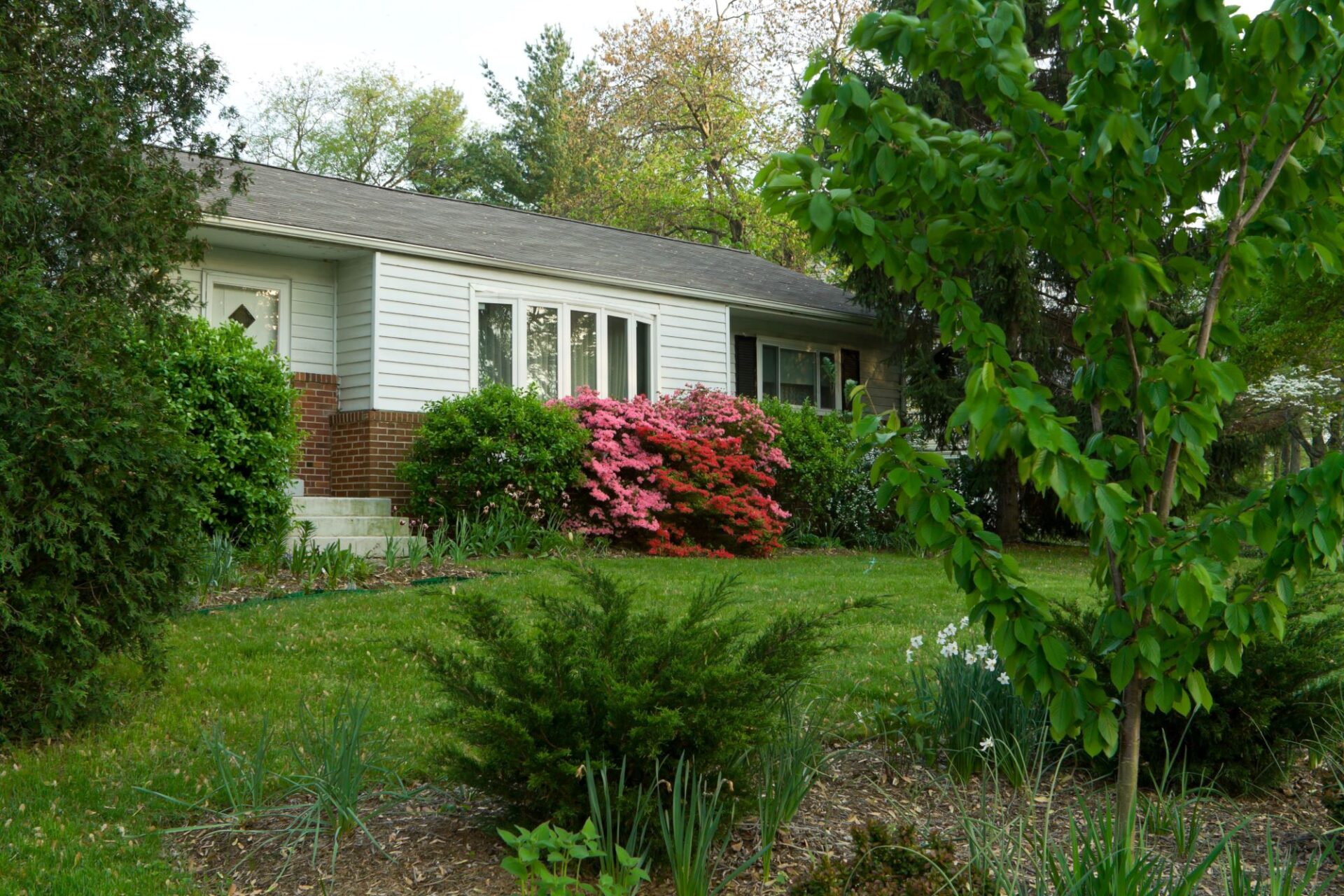
There is a timeless appeal to the 1950s ramblers found throughout the Salt Lake Valley. From the tree-lined streets of Sugar House to the sturdy brick buildings in Bountiful, these homes offer character, large lots, and “solid bones.” However, homebuyers, especially first-time homebuyers in Utah, may find that these mid-century gems can hide vintage plumbing problems. This article is a quick, easy guide to understanding common problems and what to look for.
Remember, before you sign those closing papers, it is essential to look beneath the surface. Here are the major plumbing red flags you should identify during your walkthrough and inspection to ensure your “dream home” doesn’t become a financial drain.
1. The Shadow of Galvanized Steel
In the 1950s, galvanized steel was the gold standard for water supply lines. These pipes were coated in zinc to prevent rust, but that protection has a shelf life of about 40 to 50 years. By now, most 1950s homes are well past that expiration date.
- The Red Flag: Look at the exposed pipes in the basement or utility room. If you see silver-grey pipes with threaded fittings, you are probably looking at galvanized steel.
- The Risk: These pipes rust from the inside out. This led to restricted water flow (low pressure) and “brown” water when you first turn on the tap after a weekend away. More importantly, as they corrode, they become brittle and prone to pinhole leaks behind your walls if the home hasn’t been repiped with copper or PEX, a factor you should consider in your offer.
2. Clay or “Orangeburg” Sewer Lines
While the pipes inside the house are important, the pipe under the yard is often the most expensive to fix. Many 1950s Utah homes were built with clay tile sewer pipes or, in some cases, “Orangeburg” pipes—which are essentially tubes made of wood pulp and tar.
- The Red Flag: Look for large, mature trees in the front yard. While beautiful, their roots are naturally attracted to the moisture in old clay pipe joints.
- The Risk: Roots can easily penetrate clay and Orangeburg, causing frequent backups and eventual pipe collapse.
- The Pro Tip: Never buy a 1950s home without a Sewer Scope. A plumber will run a camera from the house to the city main. If the line is cracked or root-infested, you could be looking at a $10,000+ excavation job shortly after moving in.
3. The “Lawsuit Pipe”: Polybutylene
If the 1950s home you’re eyeing had a plumbing “upgrade” between 1978 and 1995, you might encounter Polybutylene (PB). Often nicknamed “the lawsuit pipe,” this flexible plastic was once hailed as the future of plumbing until it began failing catastrophically nationwide.
- The Red Flag: Look for flexible plastic pipes that are typically grey (though they can be blue or black) and stamped with the code “PB2110.”
- The Risk: PB pipes are susceptible to chlorine in Utah’s municipal water supplies. This chemical reaction causes the pipes to become brittle and flake from the inside out. Because they degrade internally, a pipe can look perfectly fine on the outside right up until the moment it bursts.
- The Verdict: These pipes were eventually banned from building codes and were the subject of a massive class-action settlement. Many insurance companies today will outright refuse to insure a home with polybutylene plumbing. If you find it, a full repipe isn’t just a suggestion—it’s a necessity.
4. DIY and Previous Owner “Quick Fixes.”
Over 70 years, many 1950s ramblers have undergone various do-it-yourself repairs. You might see a “Frankenstein” mix of original galvanized steel, older copper, and modern PEX plastic piping all joined together in a confusing web.
- The Red Flag: Look for mismatched materials and “shark-bite” push-fit connectors (usually bright brass collars) in the basement.
- The Risk: When different metals (such as steel and copper) are joined without a dielectric medium, a chemical reaction called galvanic corrosion occurs. This significantly accelerates leaks at the joints. Poorly executed DIY plumbing is a leading cause of flooding in older homes purchased from the previous owner.
5. Basement Floor Drain Issues
Most ramblers feature a floor drain near the water heater or furnace. In older Utah homes, these drains are often neglected or forgotten.
- The Red Flag: A faint “sewer gas” or “rotten egg” smell in the basement.
- The Risk: This usually means the P-trap has dried out, but it can also indicate a clog in the main line or a venting issue. Furthermore, check if the basement has a sump pump. If the home is in a high-water table area (common in parts of Sandy or West Jordan) and lacks a sump pump, your “new” basement is one heavy Utah snowmelt away from flooding.
6. Original Pink and Blue Fixtures
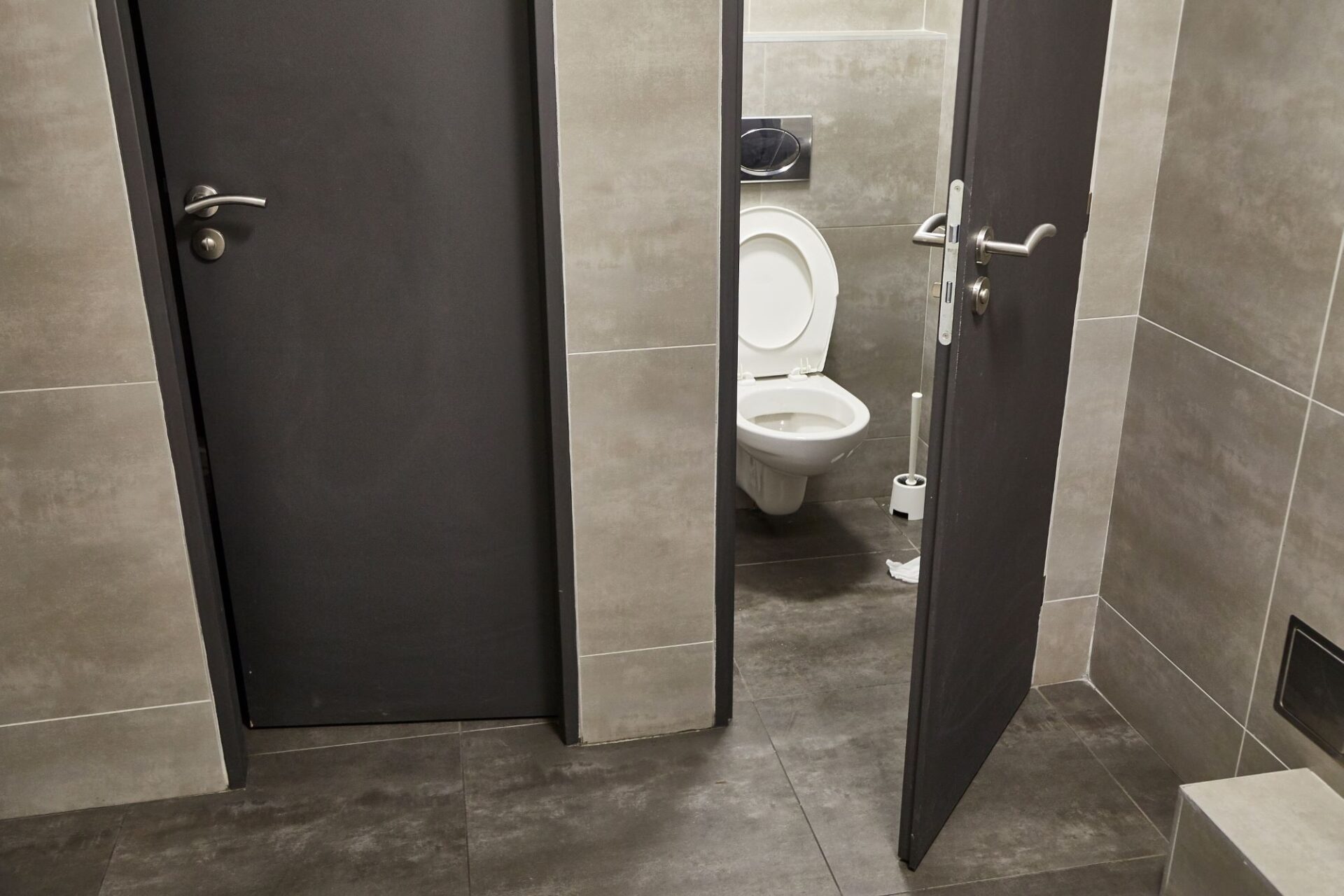
While the retro aesthetic is currently back in style, original 1950s toilets and faucets are notoriously inefficient.
- The Red Flag: Toilets that take a long time to refill or have “ghost flushes” (running randomly when no one is using them).
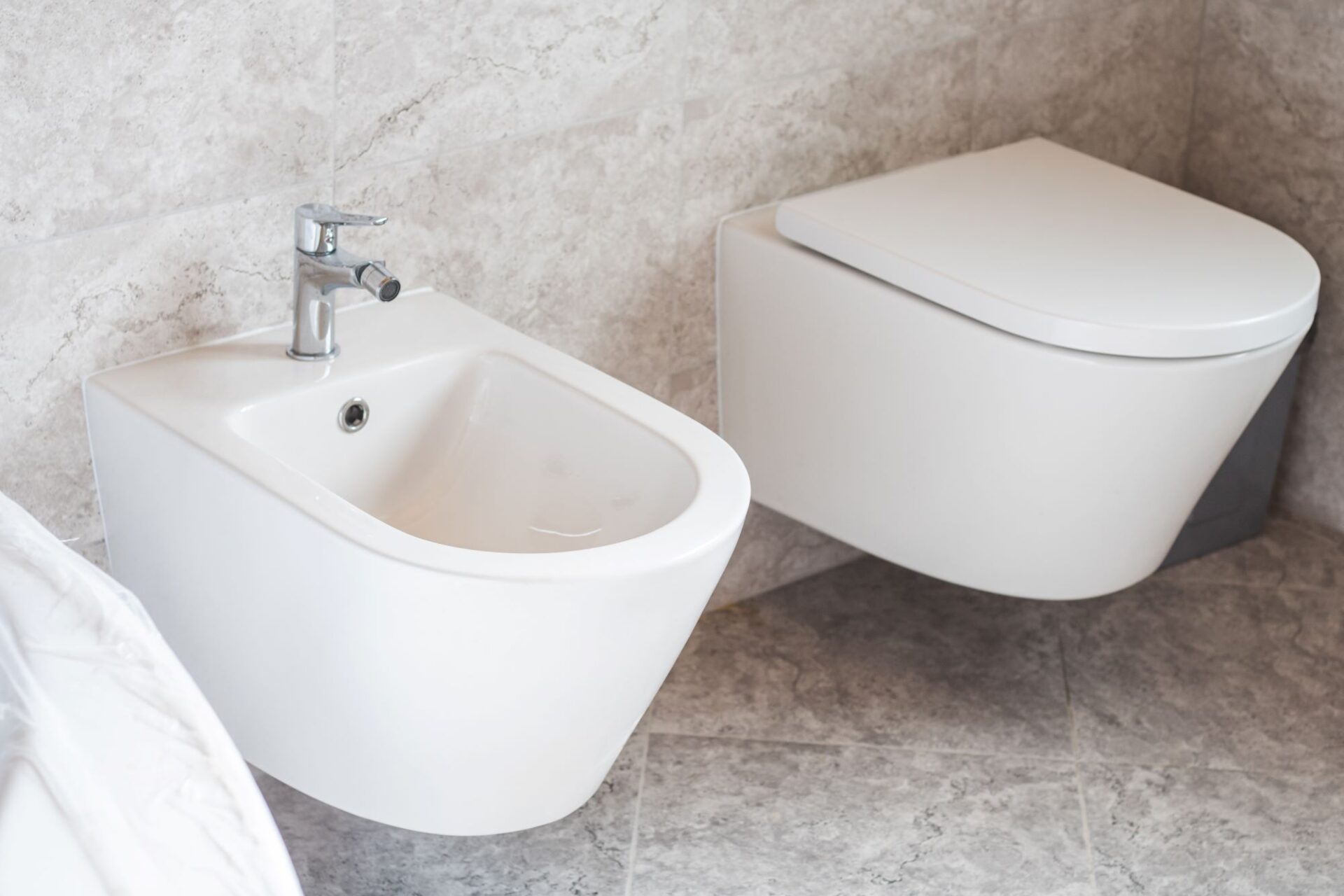
- The Risk: A 1950s toilet can use up to 5 gallons per flush, compared to the 1.28 gallons of a modern High-Efficiency Toilet (HET). In a state like Utah, where water conservation is critical and rates are rising, keeping those vintage fixtures will cost you a premium on your monthly utility bill.
Check out this source for more information on the incentives for upgrading your home fixtures: the Utah Water Savers toilet replacement program.
Final Thoughts
Buying a 1950s rambler is a fantastic way to enter the Utah property market, but don’t let the mid-century modern vibes close your eyes to aging infrastructure. Identifying these issues early gives you the leverage to ask for a price reduction or a repair credit.
If you spot these red flags during an open house, call Plumbing Utah for a professional inspection. We can help you navigate the “what-ifs” so you can move in with total peace of mind.