With ongoing conversations about the Great Salt Lake and long-term water conservation across the Wasatch Front, Utah homeowners are actively seeking ways to reduce their water footprint. But for most families, the desire to be eco-friendly is closely followed by a very practical question: Will this actually save me money?
When it comes to plumbing upgrades, the line between a “green gimmick” and a smart financial investment comes down to the math. Let’s break down the true return on investment (ROI) of two of the most popular water-saving upgrades in Utah right now: high-efficiency fixtures and hot water recirculating pumps.
High-Efficiency Toilets and Low-Flow Fixtures: The Real ROI
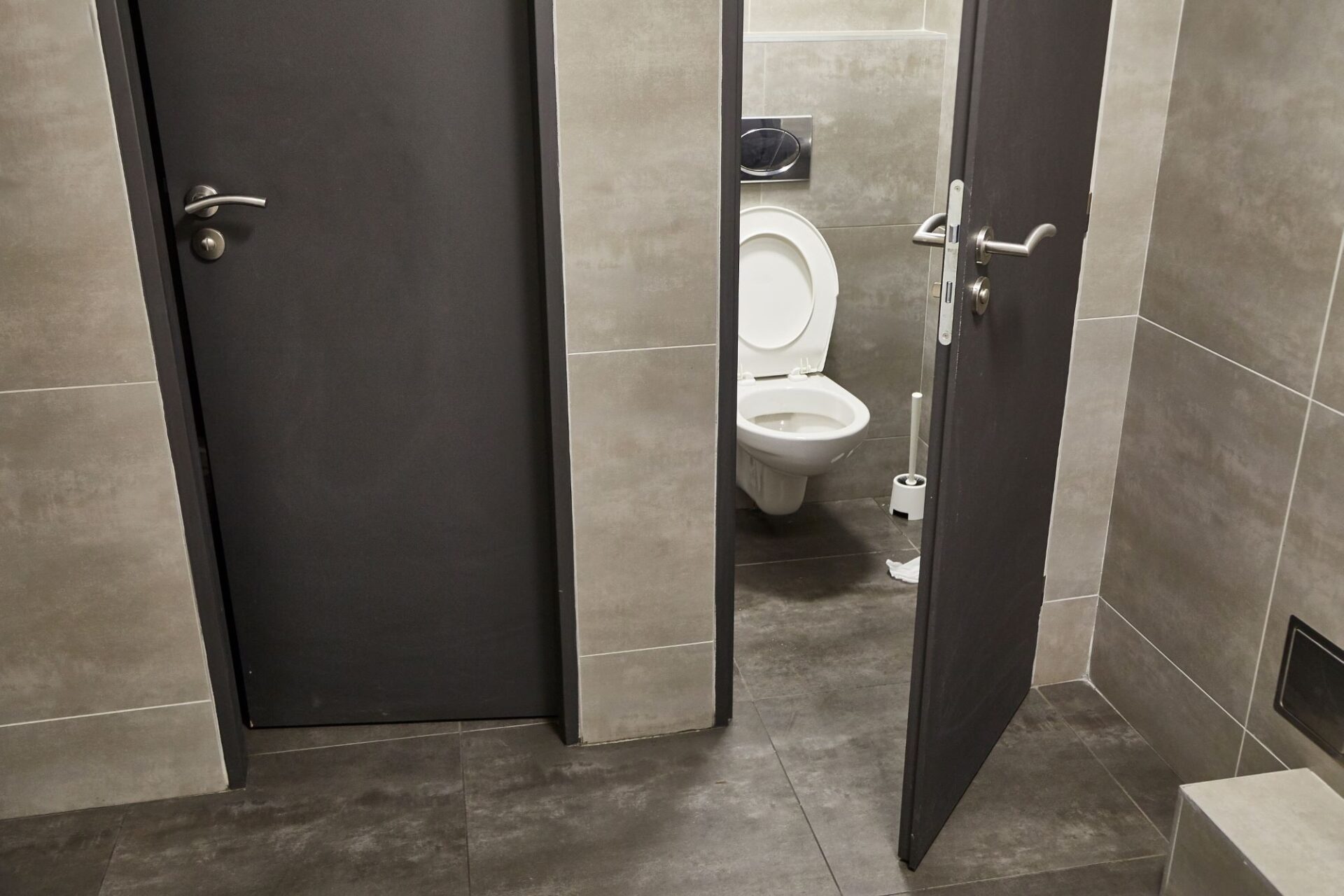
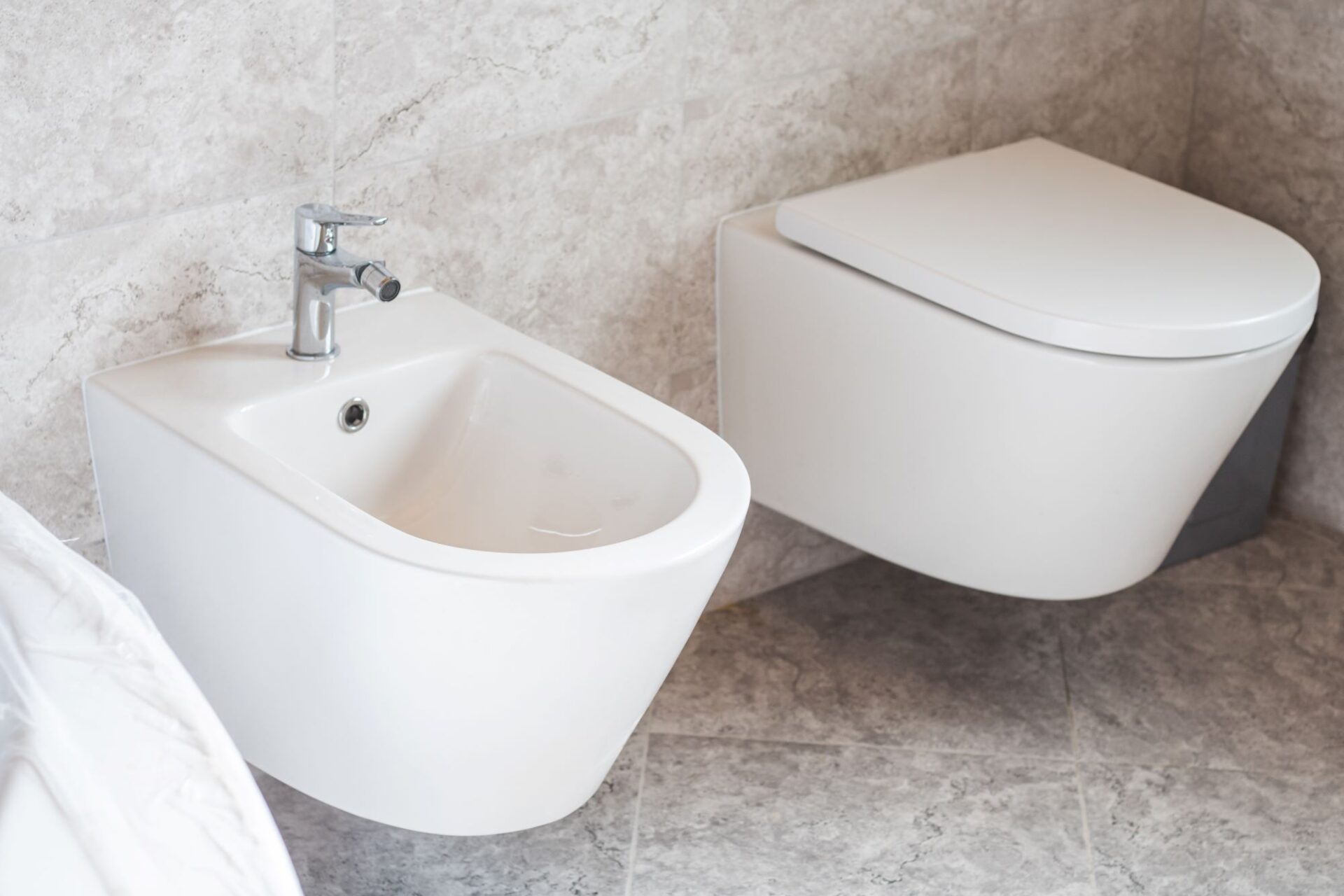
The Bottom Line: Replacing an outdated, pre-1994 toilet with a modern WaterSense-labeled model is one of the fastest ways to lower your utility bill. According to the EPA, a family of four can save roughly 13,000 gallons of water annually by making the switch. Even better, the Utah Water Savers program currently offers up to a $150 rebate per qualifying toilet, drastically accelerating your return on investment.
Many homeowners hesitate to install low-flow toilets because they remember the early generation of “eco-toilets” from the 1990s that required two or three flushes to clear the bowl—completely defeating the purpose. Fortunately, modern fluid dynamics has solved this problem. Today’s high-efficiency toilets use pressure-assisted flushing and redesigned trapways to provide a powerful flush using a fraction of the water.
Here is why upgrading your fixtures makes financial sense in Utah:
- The Toilet Math: Toilets manufactured before 1994 use anywhere from 3.5 to 7.0 gallons of water per flush (GPF). A modern WaterSense-certified toilet uses no more than 1.28 GPF. If a family of four replaces a standard 3.5 GPF model, they eliminate over 13,000 gallons of water waste a year on a single fixture.
- The Aerator Advantage: Swapping out old showerheads and bathroom faucet aerators for WaterSense models is incredibly affordable (often under $30) and reduces flow from the older 2.5 gallons per minute (GPM) standard to 1.5 GPM without sacrificing water pressure. Since you pay to heat that water, you save on both your water and gas or electric bills.
- The Utah Water Savers Rebate: The state of Utah is actively paying residents to upgrade. Through the official Utah Water Savers portal, homeowners can apply for up to $150 in rebates for replacing pre-1994 toilets (limited to 2 per home). When you factor in the rebate and the monthly utility savings, a high-quality new toilet often pays for itself within the first few years.
Recirculating Pumps: Instant Hot Water and Zero Waste
The Bottom Line: A hot water recirculating pump eliminates the annoyance of running the shower and waiting for the water to heat up. By keeping hot water staged near your faucets, these systems can save a typical household up to 12,000 gallons of water per year. However, to ensure it saves you money overall, you must choose an on-demand or smart-timer model.
We all know the routine: you turn on the shower, shiver, and wait two to three minutes for the water to get hot, finally. During that wait, roughly 2 to 3 gallons of perfectly clean, treated water go straight down the drain. Multiply that by every shower and sink use in a household, and you are pouring money down the drain.
A Hot Water Recirculating Pump solves this daily annoyance.
How It Works
The pump is typically installed right at your water heater or under the sink furthest from the heater. It creates a loop that slowly circulates the sitting, cooled-off water in your hot water pipes back to the heater to be reheated, while simultaneously pulling fresh hot water right to the fixture. When you turn the handle, the hot water is there in seconds.
The ROI Catch: Continuous vs. On-Demand
As there are a few trade-offs with these systems:
- Continuous Pumps (Avoid for ROI): A standard recirculating pump that runs 24/7 will save you thousands of gallons of water, but it will cause your gas or electric bill to increase. Your water heater will be forced to work overtime to keep the pipes hot all day and night.
- On-Demand Systems (Best for ROI): The pump is activated by a push-button or a motion sensor when you walk into the bathroom. It runs for just a few seconds to prime the pipes with hot water and then shuts off. This maximizes water savings with near-zero energy waste.
- Smart Timer Systems (Great Compromise): The pump is programmed to only run during your family’s peak usage hours (e.g., 6:00 AM to 8:00 AM and 6:00 PM to 9:00 PM), ensuring hot water is ready when you need it without running all night.
When paired with proper pipe insulation, a smart recirculating system protects Utah’s water supply, stops the morning shivers, and keeps your total utility costs firmly in check.