
Gas Line Installation for Outdoor Fire Pits, BBQs, & Patios
As the weather cools down along the Wasatch Front, Utah homeowners flock to their backyards to enjoy crisp evenings. Whether it is roasting marshmallows over

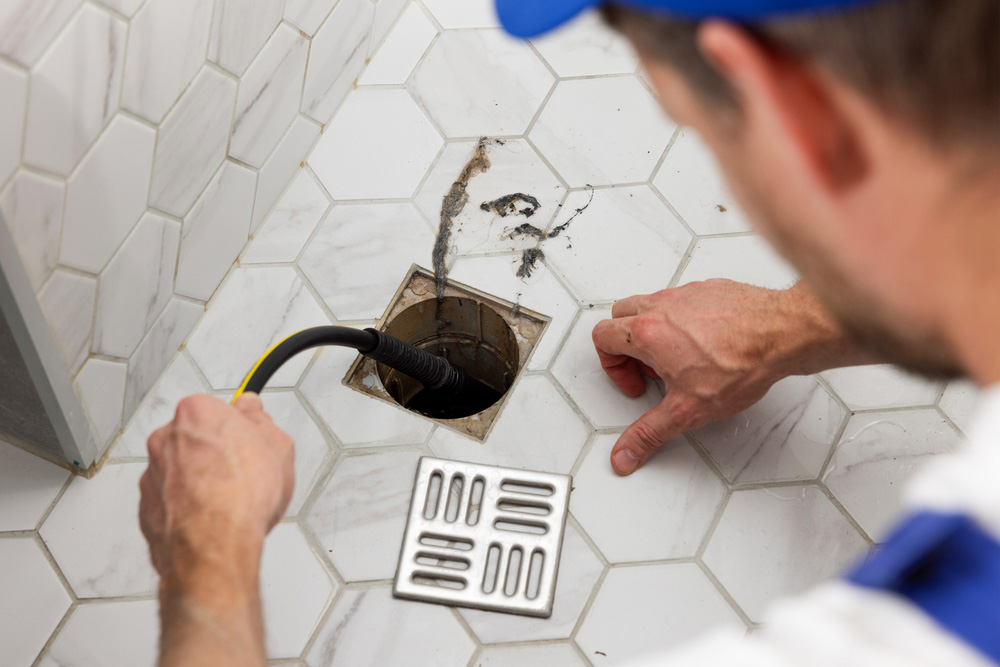
Sewer odor in the house is more than a minor inconvenience. That distinct, unpleasant smell can quickly overtake your home, making it uncomfortable for everyone inside. The culprit often lies within your plumbing system, where gases like methane and hydrogen sulfide can leak into the air due to underlying issues. Understanding what causes this problem helps you act fast before it leads to health concerns or property damage.
At Plumbing Utah, we have helped countless homeowners identify and fix these odors before they worsen. Here are the most common reasons behind that lingering sewer gas smell in the house and what you can do about it.
Every sink, shower, and tub in your home has a curved pipe known as a P-trap. Its main purpose is to hold a small amount of water that blocks gases from escaping the sewer system into your living space. When a drain goes unused for a while, that water can evaporate, allowing unpleasant odors to seep through.
You might notice the smell near a basement floor drain, guest bathroom, or laundry sink. The solution is often simple: run water down the affected drain to refill the trap. For drains that sit idle for long periods, pour a small amount of mineral oil into the trap after refilling it. The oil slows down evaporation and keeps the seal intact longer. If odors persist, the trap itself might be cracked or improperly installed, requiring sewer repair by a professional plumber.
Your plumbing system relies on vent pipes to regulate air pressure and carry gases safely out through your roof. If these vents become blocked by debris, nests, or ice buildup, sewer gases can get trapped and push their way back inside your home.
A blocked vent pipe often causes slow drains, gurgling noises, or strong odors after flushing toilets or draining water. Because the vent system connects through your roof, fixing it can be tricky and potentially dangerous. A professional inspection is the safest option to clear obstructions and check for damage. If the vent pipe has cracks or separations, repairing or replacing the affected section will stop the gas from entering your home again.
A damaged sewer line is one of the most serious causes of a persistent sewage smell. Over time, lines can deteriorate from corrosion, root intrusion, shifting soil, or age. When the line cracks or breaks, gases and waste can escape into the surrounding ground and eventually reach your home.
Signs of a broken sewer line include foul smells in multiple rooms, slow drains throughout the house, and wet spots or depressions in your yard. This problem requires immediate professional attention. A plumber can perform a camera inspection to locate the break and determine if trenchless sewer repair is an option. The sooner this is handled, the better your chances of avoiding costly property damage or contamination.
Even if your drains appear to be working, buildup inside the pipes can release strong odors. A mixture of grease, soap scum, hair, and food waste can create a layer known as biofilm. As it decomposes, it emits a rotten smell that resembles sewer gas.
You may notice it most often in kitchen sinks, bathroom drains, or floor drains. A thorough cleaning with baking soda and vinegar, followed by boiling water, can help loosen debris and clear minor clogs. However, if the smell returns quickly, the issue may extend deeper into your plumbing system. In those cases, professional drain cleaning is the best way to eliminate buildup completely and restore proper flow.
Your toilet connects to the sewer line through a wax ring or rubber seal that prevents gases and waste from leaking. When this seal deteriorates, loosens, or shifts, foul odors can escape with every flush. In some cases, you may even notice water pooling around the base of the toilet, which indicates a broken seal.
Tightening the bolts may temporarily stop the issue, but a full replacement of the wax ring is usually needed. This process involves removing the toilet, cleaning the flange, and reinstalling the fixture securely. It is a common repair that can make an immediate difference in eliminating odors.
In homes with basements, sump pumps and floor drains play a big role in managing wastewater. When these systems malfunction, sewer gases can easily find their way inside. If your sump pit has standing water or your floor drain smells bad, the problem could be stagnant water or dried-out traps.
Cleaning the sump pump and flushing the drain lines often removes the odor. If you have not used the floor drain in a while, add water to refill the trap. For ongoing issues, a plumber can check for leaks or improper venting that might be allowing gases to escape. Keeping these areas clean and well maintained helps prevent recurring odors.
Every plumbing system includes cleanout plugs that allow access to the main sewer line. These are usually located in basements, crawl spaces, or outdoors. If the plug becomes loose, cracked, or missing, gases from the line can enter the home directly.
Checking your cleanout plugs is straightforward. Look for signs of wear, loose fittings, or missing caps. Replacing or tightening the plug is often a quick fix. However, if you smell gas near multiple cleanouts or suspect a bigger issue within the main line, it is best to schedule a professional inspection to confirm the problem.
Sewer gas contains a mix of compounds such as methane, ammonia, and hydrogen sulfide. At low levels, it can irritate your eyes and throat. At higher concentrations, it may pose a risk of dizziness or nausea. Beyond the health aspect, sewer gases are flammable, making them a genuine safety concern if ignored for too long.
Persistent odors are also a sign of larger plumbing issues that could lead to water damage, mold growth, or structural problems. Addressing the source early is always the most effective and cost-efficient approach.
Even after fixing the plumbing issue, you might still notice faint odors for a few days. Sewer gas can cling to fabrics, flooring, and drywall. To clear it out completely, open your windows to allow cross ventilation and use fans to circulate fresh air. Activated charcoal, baking soda, or white vinegar can absorb remaining odors from the air and surfaces.
Clean affected areas thoroughly with a mild disinfectant and wash curtains, rugs, or upholstery that may have absorbed the smell. In severe cases, professional deodorizing or air purification services might help restore clean air faster.
Once your plumbing system is back in good shape, routine maintenance is key to preventing the problem from returning. Run water in unused drains periodically, especially in guest bathrooms or basements. Keep an eye on slow drains or gurgling sounds, as these are early signs of buildup or vent blockages.
Avoid flushing items like wipes, grease, or feminine products, which can cause clogs and backups. Schedule professional drain cleaning or plumbing inspections once a year to catch small problems before they turn into big repairs.
While small issues like dry traps can be managed on your own, other problems require professional expertise. Gas leaks, damaged sewer lines, or broken vent systems are not only complicated but can also be dangerous. Professional plumbers have specialized equipment to locate, diagnose, and repair the source without guesswork.
If you smell persistent sewer gas in multiple rooms or suspect a leak you cannot locate, it is safest to call a licensed plumbing expert right away. Acting quickly protects both your home and your health.
At Plumbing Utah, we know how unpleasant it can be to live with a sewer odor in your home. Our team is experienced in identifying the root cause of plumbing odors and fixing them efficiently. From drain cleaning and leak detection to trenchless sewer repair and sump pump maintenance, we handle every job with care and precision.
We do not just stop the smell; we make sure your plumbing system is working as it should. If you have noticed any signs of sewer gas smell in the house, do not wait for it to worsen. Reach out to us today.
Call Today
As the weather cools down along the Wasatch Front, Utah homeowners flock to their backyards to enjoy crisp evenings. Whether it is roasting marshmallows over

Salt Lake City’s historic neighborhoods—from the tree-lined streets of Sugar House to the steep, Victorian-blocks of The Avenues offer unmatched architectural charm. Buying a century-old
Upgrading your kitchen is one of the most rewarding home improvement projects you can undertake. While high-end countertops, custom cabinetry, and commercial-grade ranges usually steal