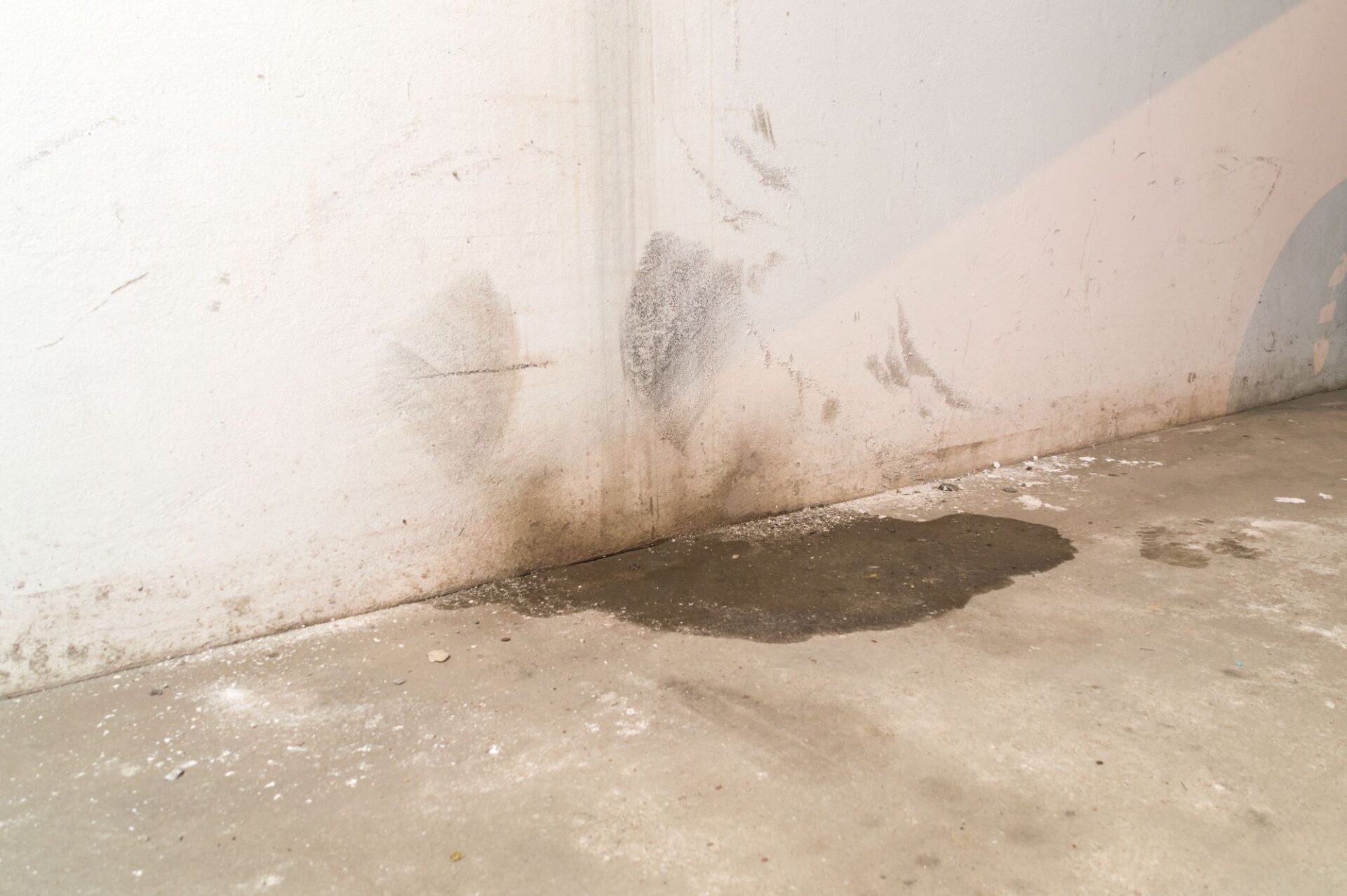
The Quick Answer (TL;DR): If your basement smells like a sewer after heavy rain, the sudden influx of water has altered the pressure in your plumbing system. The most common causes are dried-out floor drain P-traps, clogged roof vents, or intense hydrostatic pressure forcing municipal sewer gases (or raw sewage) back up through a cracked or clogged main sewer line.
While some fixes take 5 seconds, persistent odors during storms indicate a compromised main line and require an immediate camera inspection before a full backup occurs.
The Science of the Smell: Heavy Rain and Hydrostatic Pressure
Along the Wasatch Front, our soil has a high clay content. When heavy spring runoff or sudden torrential storms hit Sandy, Draper, or Salt Lake City, the ground quickly becomes saturated.
Water is heavy. When the soil around your home absorbs thousands of gallons of rainwater, it creates hydrostatic pressure. This massive weight presses against your foundation and your underground plumbing. If your main sewer line has existing microcracks, tree root intrusions, or sagging joints, this pressure can squeeze the pipe, shifting it or forcing groundwater in.
When the local municipal sewer system gets overwhelmed by this same stormwater, the wastewater has nowhere to go but backward. If your home’s main line is compromised, that displaced sewer gas gets pushed straight into your basement.
4 Reasons Rain Triggers Sewer Odors
1. Dried-Out Floor Drain P-Traps (The Easy Fix)
Every drain in your home has a U-shaped pipe underneath called a P-trap. It holds a small pool of water that acts as a seal, preventing sewer gases from rising into your home. Basement floor drains are rarely used. Over time, the water in the P-trap evaporates. When heavy rain alters the air pressure in the city sewer lines, those gases are pushed up and escape through the unprotected floor drain.
- The Fix: Pour a bucket of water down your basement floor drain. Add a tablespoon of cooking oil to slow down future evaporation.
2. A Cracked or Compromised Main Sewer Line
Your main sewer line runs underground from your house to the street. If tree roots have breached the pipe, or if the heavy, wet soil has caused a belly (a sag in the line), debris can catch and rot. Heavy rain fills the line, displacing the trapped gas and forcing it back up through your lowest drains.
- The Fix: This requires a professional camera inspection to pinpoint the exact location and severity of the breach.
3. Clogged Plumbing Roof Vents
Your plumbing system breathes through roof vents, allowing sewer gas to safely escape outside. In the fall and winter, leaves, bird nests, or heavy snow can block these vents. When heavy rain dumps large amounts of water into the municipal sewer system, it creates a vacuum effect. If your roof vents are blocked, the system sucks the water out of your basement P-traps to get air, breaking the seal and letting the smell inside.
- The Fix: Plumbers can safely clear the roof vent, restoring proper airflow.
4. Sump Pump Basin Buildup
If you have a sump pump, its job is to manage groundwater around your foundation. While the sump basin shouldn’t contain sewage, stagnant water, or organic material, it can rot inside the pit. If your pump isn’t ejecting water fast enough, it might be time for a sump pump repair or replacement. When a heavy rainstorm triggers the pump to turn on and agitate the water, it releases a strong, swampy odor that closely resembles sewage.
- The Fix: Clean the sump basin with a bleach-and-water solution.