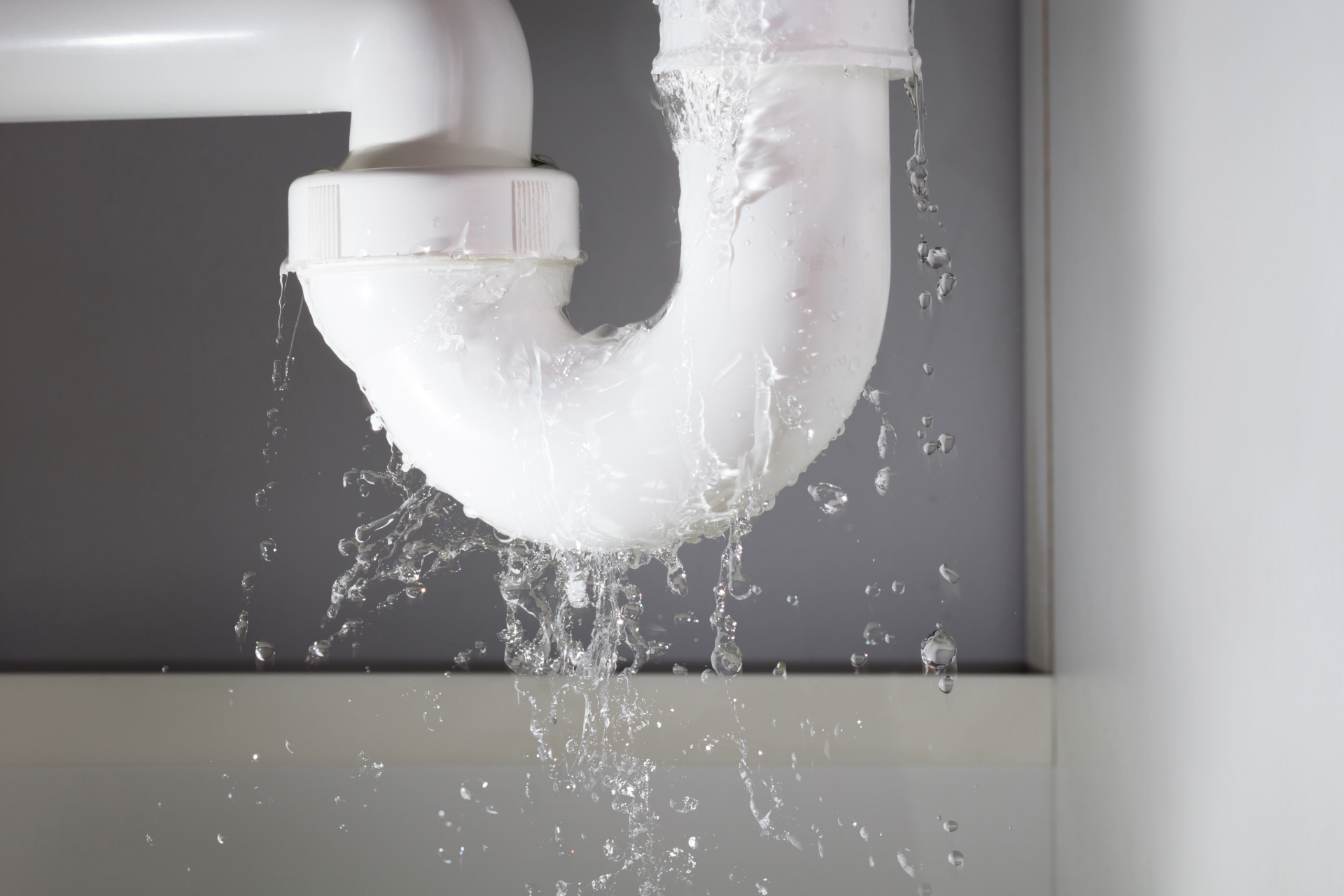
Water leaks rarely announce themselves with a sudden gush of water. Most start quietly, tucked away behind walls, above ceilings, or beneath concrete slabs.
A faint stain on the ceiling, a soft patch on the floor, or a musty smell that never seems to go away often signal something much bigger happening out of sight. Left alone, these hidden leaks can spread far beyond the plumbing system, staining walls, feeding mold, warping flooring, and eating into the very structure of your home.
As plumbers at Plumbing Utah, we often meet homeowners after the damage has already taken hold. Their first clue might have been an unexplained jump in the water bill or water pressure that suddenly dropped in the shower.
What feels like a small inconvenience at first often turns into a major repair project if not addressed. Knowing how to find water leaks in your home early is so important. A little attention today can protect your property, your budget, and your peace of mind tomorrow.
How to Find Water Leaks in Your Home
The signs of hidden water leaks are often subtle. You might notice peeling paint, strange odors, or a sudden spike in your water bill. These problems can appear in any home, from newer builds to older properties.
Detecting leaks early can help protect your home’s structure and prevent disputes with neighbors in multi-level housing where leaks affect both upper and lower floors. Understanding how to find a hidden water leak gives you the power to act before small issues turn into major repairs.
Watch for Wall and Ceiling Discoloration
Moisture always leaves a trace. One of the first signs of a hidden leak is discoloration on walls or ceilings. Stains often appear as yellow or brown patches that slowly expand. In drywall, bubbling or peeling paint is common. Plaster can crumble, and in ceilings, sagging areas form where water collects.
In multi-unit buildings, leaks may seep through floor slabs, affecting neighbors below. Spotting these stains early is your chance to stop the leak before water weakens beams, damages insulation, or spreads to adjoining rooms.
Inspect Floors and Slabs for Damage
Floors can tell you a lot about hidden leaks. Wood flooring may warp or buckle, laminate can separate, and carpet often develops damp spots or persistent odors.
Concrete slabs, despite their strength, absorb water over time. Cracks, bulges, or uneven surfaces may point to a slab leak beneath your home. These leaks are serious because they can wash away soil, leading to structural settlement.
Owners in multi-level properties also need to watch for leaks that seep downward into lower units, creating disputes over repair responsibilities. The earlier you detect floor changes, the easier it is to control the damage.
Look for Mold Growth and Musty Odors
Mold is one of the clearest warning signs of a water problem. Hidden water leaks create the perfect environment for mold spores to thrive.
You may notice black, green, or blue patches spreading on walls, ceilings, or behind furniture. Mold also produces a strong musty smell that lingers throughout the house. This odor is caused by microbial volatile organic compounds released as mold grows.
Mold can damage your property and pose health risks, particularly for individuals with allergies or respiratory issues. Addressing mold without fixing the underlying leak only provides temporary relief. The leak must be found and repaired to eliminate the moisture source.
Track Changes in Your Water Bill
Your utility bill is a powerful tool for spotting hidden leaks. Even small drips add up. Studies show that a minor leak can waste around 90 gallons per day. Over weeks and months, this water waste drives up costs. If your bill spikes unexpectedly without an increase in household usage, you likely have a hidden leak.
To confirm, check your water meter when all faucets and appliances are turned off. If the meter continues to run, water is escaping somewhere in your system. For many homeowners, this test is the first clear sign that something is wrong.
Pay Attention to Water Pressure
Consistent water pressure is a sign of a healthy plumbing system. When water escapes through a leak before reaching a faucet or showerhead, pressure drops. You may notice weaker flow during showers or longer times to fill sinks.
A sudden drop in pressure without a visible leak often points to a hidden issue inside walls, under flooring, or underground. This loss not only wastes water but also strains your system, creating more stress on joints and increasing the risk of additional leaks.
Listen for Unusual Plumbing Sounds
Leaks often reveal themselves through sound. If you hear dripping inside a wall, hissing from pipes, or gurgling when fixtures are off, water is escaping somewhere.
Sometimes leaks create violent knocking noises as pressure changes cause pipes to vibrate or hit surrounding walls. These sounds may seem minor, but they are early warnings. Listening carefully during quiet times in the home can help you catch a leak before it creates visible damage.
Watch for Discolored or Contaminated Water
When pipes develop cracks, protective linings wear away, exposing metal to corrosion. Rust particles then enter the water flow, creating discoloration. You may see brown, yellow, or reddish water at taps, depending on the minerals involved.
Discolored water can be unpleasant and also signal internal damage to your pipes. Corrosion spreads quickly once it begins, which means one small leak can lead to multiple weak points throughout your system. Acting quickly protects your plumbing and prevents more serious failures.
Professional Detection for Hidden Water Leaks
While these seven methods help you recognize problems, locating the exact source requires professional tools. At Plumbing Utah, our leak detection services use advanced technology to identify leaks without unnecessary damage.
Thermal imaging cameras show temperature differences caused by moisture behind walls. Acoustic devices detect the faint sounds of leaks inside pressurized pipes.
Additionally, video inspection cameras allow us to look directly inside plumbing lines. These methods enable precise detection, saving homeowners from tearing into walls blindly. Once we identify the leak, repairs can be targeted and cost-effective.
Repairing and Preventing Future Leaks
Repairs depend on the leak’s severity. Small leaks may be patched with epoxy compounds or reinforced with pipe sleeves. Larger leaks often require cutting out the damaged section and replacing it with a new pipe.
In older homes where corrosion is widespread, we may recommend replacing full sections to prevent recurring issues. Beyond fixing the pipe, drying, mold remediation, and structural restoration may be necessary to return the home to safe conditions.
Preventive steps help avoid new leaks. Annual plumbing maintenance catches small issues before they grow. Insulating pipes protects against freezing in winter. Installing smart leak detection devices provides instant alerts when water flow is abnormal.
Protect Your Home with Professional Plumbing Services
Hidden water leaks put your home at risk long before you notice them. Knowing how to find a hidden water leak helps you catch the signs, be it stains, odors, strange sounds, or a sudden rise in your water bill.
Acting early protects your property and saves money. At Plumbing Utah, we specialize in detecting and repairing leaks with precision. From targeted repairs to complete system maintenance, we provide plumbing services that give you peace of mind and keep your home safe from water damage.
Contact us today and let our experienced team protect your home before the damage spreads.