Homeowners rarely think about their water heater until it stops working. When that moment comes, the first question is often how long it takes to replace a water heater and get things running again. The good news is that most installations can be completed within a few hours, but several factors can extend the process. Understanding what happens during replacement, what can slow it down, and how to prepare helps make the entire experience smoother and less stressful.
The Typical Timeline for Water Heater Replacement
In most homes, replacing a standard water heater takes around two to three hours. This includes removing the old unit, installing the new one, connecting the necessary plumbing and power lines, and testing it for safety and performance. Professional plumbers can sometimes complete the job even faster if the existing setup is straightforward.
However, this estimate assumes the installation site is accessible, the same type of heater is being replaced, and no major modifications are needed. If there are differences in size, energy source, or location, additional time may be required.
What Happens During Replacement
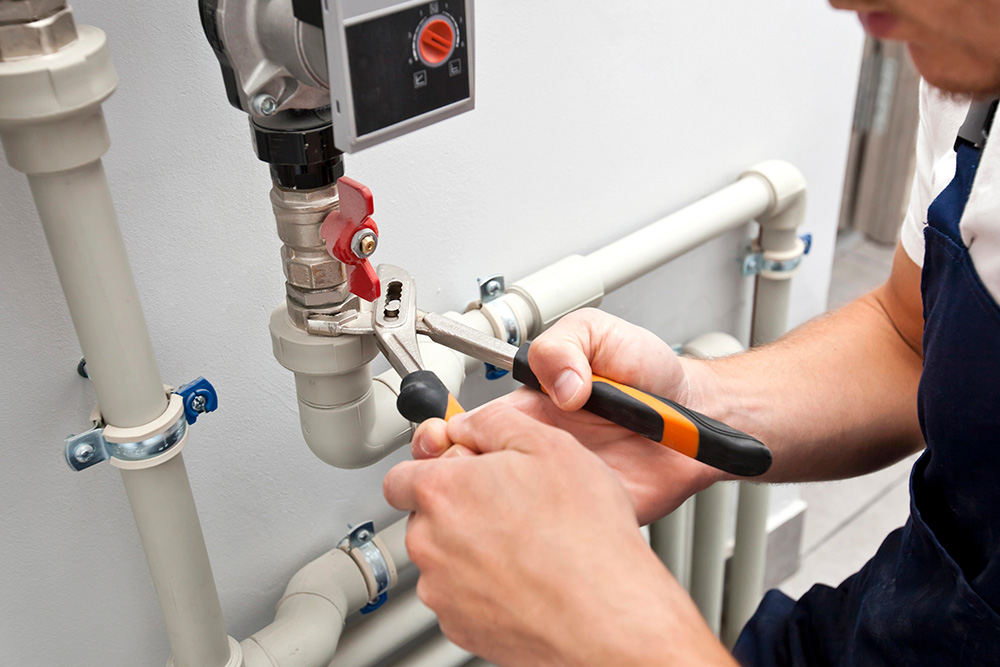
The process begins with a short inspection. A plumber will assess the current unit, connections, and surrounding space to determine what needs to be done. Once the water supply is turned off and the old unit is drained, the team disconnects the pipes and safely removes the old water heater.
Next comes the installation phase. The new heater is positioned and secured before connecting it to the plumbing lines and power source. Gas water heaters need proper venting and leak checks, while electric models require correct wiring and breaker verification. Once all connections are made, the plumber fills the tank, tests for leaks, and powers it on to confirm the system heats water efficiently.
This testing step is important because it confirms that water pressure, temperature, and safety mechanisms are working properly before the plumber leaves your home.
Factors That Affect Installation Time
Even though the basic replacement process takes only a few hours, certain conditions can extend the job. Older homes may have outdated plumbing that requires adjustments or upgrades to meet current codes. If the new heater differs from the old one, such as switching from gas to electric or upgrading to a tankless system, the setup will naturally take longer.
Access to the installation site also plays a role. Water heaters placed in tight basements, attics, or crawl spaces may need extra time for removal and reinstallation. Local permit or inspection requirements can add to the overall duration as well.
Sometimes, the existing plumbing connections are corroded or the shutoff valve doesn’t function properly. In these cases, repairs must be made before installing the new system. While this adds time, it also prevents future leaks and safety issues.
Same-Day Replacement vs. Complex Installations
Not all replacements follow the same timeline. In straightforward cases, where the new unit matches the old one in size, fuel type, and location, many homeowners can expect same-day completion. The plumbing team simply swaps out the old heater and tests the new one before wrapping up.
For more complex upgrades, the project could take longer. Converting from a traditional tank to a tankless water heater, for example, requires modifications to venting, electrical systems, and water lines. Similarly, relocating the heater to a different part of the home will take additional time due to rerouting connections.
These factors don’t just extend installation time; they also influence the total cost and scheduling flexibility.
Preparing for Installation
Homeowners can help speed up the replacement process by clearing the area around the water heater before the plumber arrives. This gives the team easy access to disconnect and remove the old unit without obstacles. Make sure to move stored boxes, tools, or cleaning supplies out of the way.
It also helps to know the specifications of your current heater including brand, capacity, and power source. Sharing this information with your plumber in advance allows them to bring the right materials and connections to complete the job efficiently.
If you plan to upgrade to a more energy-efficient model or a different size, discuss those details during your consultation. It gives your plumber time to prepare the proper fittings and permits ahead of time, reducing potential delays.
Signs That It’s Time for Replacement
A well-maintained water heater lasts about eight to twelve years. Once it nears the ten-year mark, it’s smart to start planning for replacement rather than waiting for a sudden breakdown. You might notice your showers turning lukewarm, rust-colored water, or frequent leaks. These are early warning signs that the heater is struggling.
If you hear rumbling noises or the tank feels excessively hot on the outside, the internal components may be wearing down. Replacing the unit before it fails completely can save you from unexpected cold showers and water damage.
Choosing Between Tank and Tankless Systems
When deciding on your next water heater, consider your household’s water usage and long-term efficiency goals. Traditional tank-style heaters are reliable and affordable, while tankless models deliver continuous hot water and take up less space.
However, tankless systems often take longer to install due to their venting and power requirements. Discussing these options with your plumber beforehand helps you understand both the timeline and the investment.
After the Replacement
Once installation is complete, it’s a good idea to monitor your new heater over the next few days. Check for small leaks around the fittings and listen for unusual noises as the system adjusts. Your plumber may also recommend a follow-up inspection or maintenance schedule to extend the lifespan of the new unit.
Flushing the tank once a year and testing the pressure relief valve regularly will help prevent sediment buildup and improve heating efficiency.
Replacing a water heater is one of those projects that sounds more complicated than it is. In most cases, you can expect to have hot water again within just a few hours. Factors like the type of heater, accessibility, and necessary upgrades may lengthen the process, but with proper planning and a skilled plumber, it remains a manageable home improvement task.
At Plumbing Utah, we handle every step of water heater replacement with precision and care. From removing your old unit to installing a new one that fits your home’s needs, our team works efficiently to restore comfort and convenience. Whether it’s a standard tank model or a modern tankless system, we’re ready to help you get reliable hot water again without unnecessary delays.